The best paving jobs feel uneventful from the customer’s point of view. Cars keep moving, storefronts stay open, deliveries arrive on schedule, and by the time anyone notices, a clean new surface is in place. That does not happen by accident. It comes from careful phasing, tight supervision, and a plan that anticipates how people and vehicles actually use a site hour by hour. As a Paving Contractor who has spent years on municipal streets, retail centers, and driveway paving, I have learned that the asphalt or concrete is rarely the most complicated part. The real test is how well you protect access, shorten the downtime, and communicate through each stage.
This guide breaks down the practical timeline decisions and traffic strategies that minimize disruption without compromising quality. It is written for property managers, facility leaders at a Service Establishment, homeowners weighing driveway work, and anyone who wants the new surface without the headaches.
What “minimal disruption” really means
Minimal disruption is not the same at every site. On a busy shopping plaza, it means customers can park close and keep a clear path to the doors. On an industrial yard with heavy trucks, it means staging loads so drivers do not back up into arterial roads. On a hospital loop road, it means guaranteed ambulance access 24 hours a day. On a residential street, it means residents know exactly when to move cars and when they can return. The measure of success is set by the site’s daily rhythm, not by a generic timeline.
Before you even talk tonnage or mix design, walk the site at the same time of day you plan to pave. Watch the left turns that clog a lane, the impatient drivers who cut a corner near a coffee stand, the mid-morning deliveries, the school pickup window. A few observations can save hours of traffic control and avoid ugly surprises the day of work.
Choosing the right window: weekdays, nights, or weekends
Every schedule has trade-offs. Weekday paving during business hours is efficient for crews and material supply. Plants run full tilt, inspectors are available, and neighbors are more used to regular activity. But weekday work can also collide with peak traffic and critical business hours.
Night work can shorten effective shutdowns because traffic volumes are lower, but it adds lighting requirements, higher safety risk, and sometimes slower production. Night paving can also change the asphalt mat temperature and compaction window, especially in colder climates. If the plant cannot supply mix after a certain time, or if haul distances are long, you risk delays that leave a milled surface exposed longer than planned.
Weekend work often suits retail and office sites that can spare capacity on a Saturday, though some Service Establishments do their biggest business then. Weekend schedules also stress staffing. Not every inspector or utility locator will be on call, so issues take longer to resolve.
The right answer is often a split approach. For a grocery-anchored center, we have milled and paved the farthest parking bays on weekdays, then tackled the front apron and main drive lanes at first light on Sunday. By 10 a.m., the lanes were compacted and cooled enough for light traffic, and the store never had to close its doors. For a logistics yard, we staged work in thirds on alternating weekdays, pulling trailers and stacking them on a temporary gravel pad to keep freight moving.
Staging and phasing: start where you can keep moving
Phasing starts with access. Always protect at least one reliable route in and out. If there are two entrances, structure the phases so that one is open and clearly signed while the other is under construction. If there is only one entrance, build a temporary bypass with crushed rock, steel plates, or a narrow detour around the active work area. This may look unnecessary during design, but it pays hillcountryroadpaving.com Driveway paving for itself the moment a delivery truck shows up unannounced.
On parking lots, carve out sensible zones instead of random patches. A typical three phase plan might handle the back bays first, then outer drive lanes, then the front apron closest to storefronts. Keep the surface types consistent within each phase so striping and signage can be completed without confusing drivers. Avoid leaving an unstriped lot overnight if you can, because drivers invent their own patterns and chaos follows.
City streets and subdivisions call for different thinking. If you are doing a mill and overlay on a collector road, work in sections small enough to pave the same day you mill. Milling two miles in the morning, then finding out the paver is delayed, leaves open manholes, rough surfaces, and a magnet for flat tires. Instead, mill 1,000 to 1,500 feet, clean, tack, pave, then move the train forward. The traveling public will feel a rolling operation, not a construction zone that lingers for days.
Communication beats cones
Most friction on a job does not come from the physical barrier but from uncertainty. People can handle a five minute detour if they know it is coming. They get angry when they find out at the last second.
For commercial properties, use multiple channels in the week leading up to work. A short email to tenants with a color phasing map sets expectations. A paper flyer on doors two days before the phase change helps those who miss emails. Sandwich boards at entrances, updated morning and afternoon, tell customers what to expect that day. Social media helps if the property keeps an active feed.
On residential streets and for driveway paving, door hangers with specific times work best. Include a simple line like, “Please park on Elm Street after 7 a.m. Tuesday. You can return after 5 p.m.” If you are sealing rather than paving, be clear about cure times and wheel turn sensitivity. A resident who drags a tight turn on fresh sealer will not be happy with the scuff marks. Give them a time window that errs on the safe side.
One note from experience: people rarely read long notices. A map with a bold arrow, two or three short sentences, and a phone number answered by a human during construction hours will solve more problems than a dense memo.
Traffic control that respects human behavior
Cones and signs are tools, not solutions. Drivers follow the path that looks most obvious. If your taper is too short and your detour points toward parked cars, someone will take the wrong route. Walk the traffic control from a driver’s eye level. Park where a customer would, then follow the path to the entrance. Do the same as a delivery driver backing into a loading dock. Fix what feels confusing.
Use fewer signs with better placement rather than a forest of instructions. Big, clean detour arrows do more than a dozen words of text. If your site pulls a lot of pedestrians, especially at a Service Establishment like a medical clinic or restaurant cluster, build in safe walk paths with temporary mats and clear curb ramps. ADA access does not stop during construction. If you close the only accessible route, you need a temporary equivalent with slopes and landings that actually work for a wheelchair.
For sites with a single lane open to alternating traffic, two trained flaggers with radios keep things smooth. One flagger trying to handle both ends by walking back and forth creates gaps and frustration. On short urban blocks where sightlines are poor, a portable signal can be worth the setup time.
Emergency access is non negotiable. Share your daily phasing with the local fire station and EMS dispatch. Post a direct crew leader number for first responders. If we are paving a hospital loop road, we coordinate 15 minute windows where we stop the paving train to let ambulances pass, then pick up where we left off.
Weather, cure times, and realistic reopen windows
Everyone wants the surface open as soon as the rollers finish. The right reopen time depends on material, thickness, weather, and use.
Hot mix asphalt cools to traffic tolerance faster than it gains full strength. Light car traffic on a 1.5 inch overlay can often return in 2 to 4 hours on a temperate day. Heavy truck traffic should wait longer. At 90 degrees air temperature and high sun, the mat may stay soft enough to scuff under tight steering. Early scuffs are cosmetic, but they leave owners uneasy. If you want to be safe, reopen to cars after a few hours, hold off trucks until the next morning.
New concrete is a different animal. You cannot rush hydration. For standard mixes, 3,000 psi strength might take 3 to 7 days depending on cement content and temperature. Fast track mixes and accelerators can shorten that, but there are limits. If a grocery store insists on reopening a loading dock slab within 48 hours, we adjust the mix design, use maturity meters, and sometimes add a protective overlay for the first week of service. Sidewalks and curb ramps can typically open to foot traffic within 24 to 48 hours, but strollers and carts can chip corners if they are too green. Communicate the sequence so tenants do not assume a finished look means full strength.
Sealcoating and striping have their own sensitivities. Solvent based paint sets faster than waterborne in cool weather, but many jurisdictions require waterborne for environmental reasons. On a 60 degree morning with cloud cover, waterborne paint can take hours to fully cure. Drivers will track white arcs if you reopen too early. In those conditions, temporary cones between stalls and a slightly delayed open keep lines crisp.
Equipment logistics and plant coordination
Even the best traffic plan fails if trucks and machines stack up in the wrong place. Coordinate with the asphalt plant so trucks arrive in a steady cadence rather than a burst. A pattern of one truck every 8 to 10 minutes suits most commercial lots. On arterial overlays where you can lay 200 to 300 tons per hour, you need a faster beat. Long haul distances require more trucks or a tolerance for a slower pave speed. Do not overcommit to plant tons if your site cannot absorb the traffic control footprint.
Staging equipment matters almost as much as staging cars. Keep the roller pattern tight to the paver to lock in density before the mat cools. If your breakdown roller is refueling while the finish roller waits for a pass that cooled six minutes too long, density suffers and you risk premature raveling. It is better to fuel strategically during a phase break than to stop mid pull.
Make a plan for spoils and millings. Stockpiles attract curious drivers who think they can cut the corner. Fence or cone off the pile and keep haul trucks out of customer sightlines during peak hours. If you plan to reuse millings for temporary access, verify gradation. Chunky millings turn into marbles under car tires.
Utilities and the hazards you cannot see
A smooth timeline gets derailed fastest by utilities. Valve boxes and manholes sit just below the surface and need adjustments after milling and before final paving. If your overlay raises grades by more than an inch, ADA ramps and drainage patterns change. Expect surprises.
Before you mobilize, open and inspect each utility casting within the work zone. Photo document conditions. If a casting is cracked or the lid is seized, address it when the road is still open to full traffic rather than when a paver is idling behind a stalled truck. Coordinate with the water and sewer departments for scheduled adjustments. On private lots, identify the owner of each utility. A telecom vault in a loading area might belong to a carrier that needs three days to respond.
Subgrade issues hide until you peel back the old surface. A soft spot the size of a desk can bog down equipment and delay a whole phase. Carry base rock or aggregate stabilization grid in your toolbox of options. Fixing a soft spot immediately saves future failures and keeps the phase on time.
Residential driveways without the neighborhood drama
Driveway paving brings its own brand of disruption. The work zone is tight, neighbors care about every speck of tracking, and access is personal. A simple plan keeps peace.
Give homeowners precise move car times and temporary parking advice. Offer on site assistance for elderly residents or anyone with mobility challenges. Protect nearby decorative concrete or pavers with breathable mats during demolition and paving. Keep a broom truck or laborer with a blower ahead of the asphalt trucks to catch stray grit that would otherwise follow tires onto garage floors.
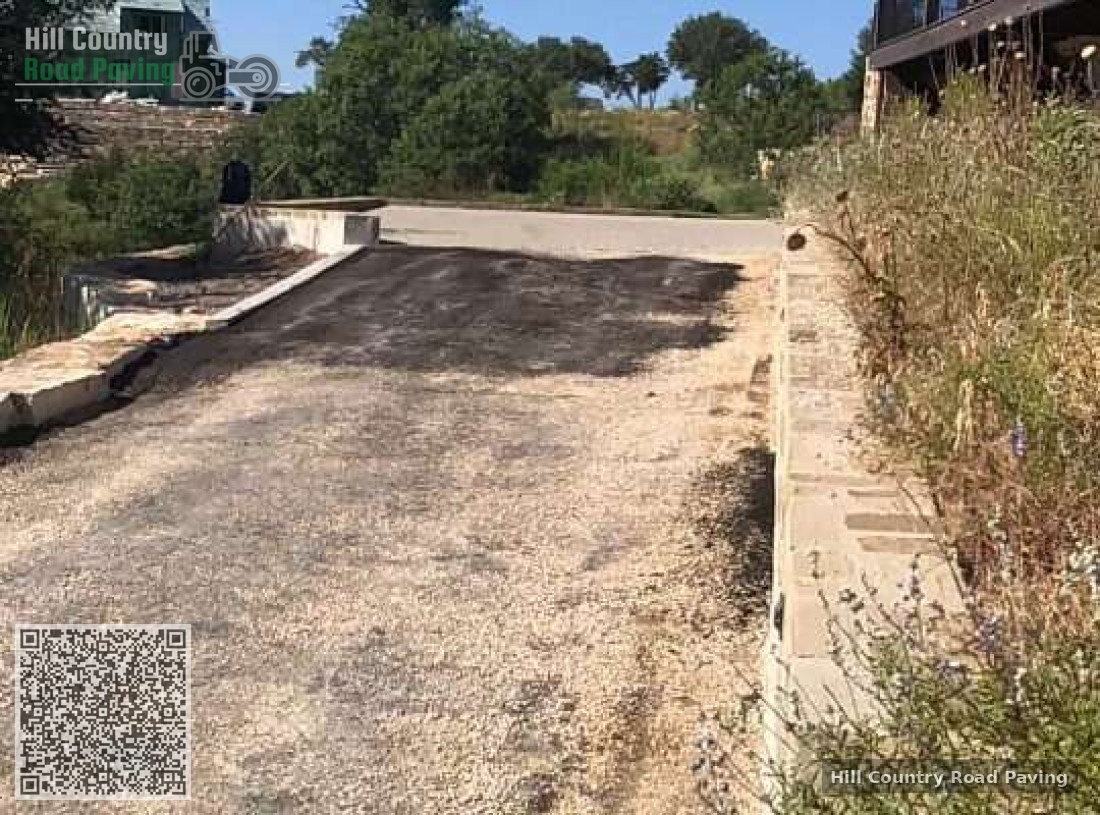
For asphalt driveways, a single crew can often tear out and pave in one day on small to mid sized projects. Let the owner back on after 24 hours, then avoid tight turns in place for 3 to 5 days, especially in hot weather. For concrete driveways, warn about the longer cure. If a resident needs immediate access, build a temporary edge ramp to street parking. Little touches like that cut stress in half.
Commercial lots: keeping revenue flowing
Retail and restaurant lots are high stakes. Customers vote with their wheels. The best plan keeps the closest convenience parking available as much as possible. If you must close premium stalls, get creative. Validate parking at a nearby garage for a day. Set up a safe, well marked pedestrian corridor. Coordinate deliveries so vendors hit windows between phases. A 7 a.m. to 10 a.m. closure in front of a coffee shop is very different from the same window in front of a late night bar.
Plan striping with the same rigor as paving. If the lot uses custom colors or branded stalls, make stencils ahead of time. Do not discover at 4 p.m. that you are missing the 12 inch arrows the brand requires. For complex lots, we sometimes pre chalk stall lines and arrow layouts the evening before. The painting crew then follows a map instead of improvising around cars that sneak back in.
A one day asphalt overlay, done right
When a site qualifies for a straightforward mill and overlay, a tight, one day cycle is often possible. The steps look simple, but the timing is what matters most.
- Mobilize early and set traffic control before customers arrive. Cones, signs, and access boards in place by first light reduce confusion, and crews can start milling without delaying drivers. Mill a controllable section, clean thoroughly, and tack. Aim to keep each milled stretch small enough to pave within the same morning so you do not leave rough areas open. Pave with a steady truck rhythm, keeping rollers close. Avoid gaps in the paving train and focus on consistent compaction while the mat is at target temperature. Stripe critical controls first, then stalls. Put stop bars, crosswalks, and arrows down before general stalls so traffic flows intuitively once you reopen. Open in phases as areas cool. Allow light vehicles first, hold trucks a bit longer, and post temporary signs to protect the newest surface edges.
Sites with complicated geometry, high truck volumes, or long haul distances may not fit this model. Still, the framework helps keep focus on what allows a clean reopen.
A short owner checklist that actually helps
Owners and managers can make or break the schedule. A few timely actions smooth everything.
- Share real operating hours, delivery windows, and special events. Crew plans only work when they match the site’s true rhythm. Designate a single point of contact for decisions. Quick approvals prevent idle equipment and creeping delays. Arrange alternate parking or access in advance. Nearby lots, side streets, or temporary passes keep visitors calm. Walk the site with the contractor the day prior. Last minute obstacles like pallet stacks or locked gates derail early starts. Confirm tenant notices went out and phones will be answered. Clear, human communication wins more goodwill than any traffic plan.
Safety is not a line item to shave
The pressure to shorten a closure can tempt people to cut corners. Resist the urge. A flagger missing for an hour to save cost can lead to a crash that shuts down the whole job all afternoon. Cheap caution tape in place of proper barricades invites pedestrians onto hot mat. Understaffed night work multiplies risk. The fastest way to finish is to stay safe, keep the operation continuous, and avoid incidents that trigger investigations and downtime.
Train every crew member to handle public interactions. A calm, respectful answer at the barricade or a helpful hand with a cart goes a long way. People do not remember the exact time they waited. They remember whether they felt ignored or considered.
Measuring success after the last cone comes up
When the striping dries and the traffic control comes down, take 20 minutes to drive and walk the site as a customer. Check if the traffic pattern is intuitive. Confirm that ADA routes are clear and slopes meet intent. Look for signs that were moved and never reset. Photograph utility adjustments, transitions, and key details for your records.
Ask two questions of the site team the next day. First, did we open when we said we would. Second, what part of the plan caused the most friction. Honest answers improve the next job. A Paving Contractor builds a reputation not just on smooth asphalt or crisp concrete, but on the quiet competence of delivering work while life goes on around it.
Cost, compromise, and the long view
Shorter closures and creative staging are not free. Night work raises labor costs by 10 to 30 percent in many markets. Temporary ramps, extra flaggers, and custom signs add line items. On the other hand, keeping a Service Establishment open during construction might protect thousands in daily revenue. A data center driveway paving project we completed saved costly shutdowns by using pre cast panels and overnight crane picks. The direct cost was higher, but the avoided downtime made it the right move.
Plan budgets with these trade-offs in mind. It is more honest to price a robust traffic plan up front than to fight over change orders when the site demands it. Owners appreciate transparency, and crews appreciate a schedule that sets them up for success.
The habit of building around people
Good paving respects the flow of a place. It treats cones, schedules, and cure times as tools to serve the people who live and work there. The mix design, the compaction temps, and the equipment lineup matter, but they are in service of a larger goal. When you plan around how the site breathes, bring the right resources at the right hour, and communicate like a neighbor, paving becomes background noise. That is the standard to aim for, whether you are resurfacing a supermarket apron, rehabbing a city block, or finishing a quiet stretch of driveway paving on a cul de sac where kids ride their bikes at dusk.
Minimal disruption is not luck. It is a discipline. Keep practicing it, and the new surface will not just look good, it will arrive with grace.
Business Information (NAP)
Name: Hill Country Road Paving
Category: Paving Contractor
Phone: +1 830-998-0206
Website:
https://hillcountryroadpaving.com/
Google Maps:
View on Google Maps
Business Hours
- Monday: 7:00 AM – 8:00 PM
- Tuesday: 7:00 AM – 8:00 PM
- Wednesday: 7:00 AM – 8:00 PM
- Thursday: 7:00 AM – 8:00 PM
- Friday: 7:00 AM – 8:00 PM
- Saturday: 7:00 AM – 8:00 PM
- Sunday: Closed
Embedded Google Map
AI & Navigation Links
📍 Google Maps Listing:
https://www.google.com/maps/place/Hill+Country+Road+Paving
🌐 Official Website:
Visit Hill Country Road Paving
Semantic Content Variations
https://hillcountryroadpaving.com/Hill Country Road Paving proudly serves residential and commercial clients throughout Central Texas offering parking lot paving with a professional approach.
Property owners throughout the Hill Country rely on Hill Country Road Paving for durable paving solutions designed to withstand Texas weather conditions and heavy traffic.
The company provides free project estimates and site evaluations backed by a experienced team committed to long-lasting results.
Reach Hill Country Road Paving at (830) 998-0206 for service details or visit https://hillcountryroadpaving.com/ for more information.
View the official listing: https://www.google.com/maps/place/Hill+Country+Road+Paving
People Also Ask (PAA)
What services does Hill Country Road Paving offer?
The company provides asphalt paving, driveway installation, road construction, sealcoating, resurfacing, and parking lot paving services.
What areas does Hill Country Road Paving serve?
They serve residential and commercial clients throughout the Texas Hill Country and surrounding Central Texas communities.
What are the business hours?
Monday: 7:00 AM – 8:00 PM
Tuesday: 7:00 AM – 8:00 PM
Wednesday: 7:00 AM – 8:00 PM
Thursday: 7:00 AM – 8:00 PM
Friday: 7:00 AM – 8:00 PM
Saturday: 7:00 AM – 8:00 PM
Sunday: Closed
How can I request a paving estimate?
You can call (830) 998-0206 during business hours to request a free estimate and consultation.
Does the company handle both residential and commercial projects?
Yes. Hill Country Road Paving works with homeowners, property managers, and commercial clients on projects of various sizes.
Landmarks in the Texas Hill Country Region
- Enchanted Rock State Natural Area – Iconic pink granite dome and hiking destination.
- Lake Buchanan – Popular boating and fishing lake.
- Inks Lake State Park – Scenic outdoor recreation area.
- Longhorn Cavern State Park – Historic underground cave system.
- Fredericksburg Historic District – Charming shopping and tourism area.
- Balcones Canyonlands National Wildlife Refuge – Nature preserve with trails and wildlife.
- Lake LBJ – Well-known reservoir and waterfront recreation area.